New or updated pages ...
|
|
|
—————————— |
|
|
—————————— |
|
|
|
Email :

Text and photos by Nick Baker, unless credited to others.
Copyright © Ecology Asia 2026 |
|
|
|
|
|
|
|
|
Amphibians of Southeast Asia |
|
|
|
Amphibians reach their greatest diversity
in the
moist, warm tropical rainforest and freshwater swamp forest habitats. In Southeast Asia
a remarkable evolutionary explosion of amphibians has resulted in a great diversity of
form, colour and lifestyle. At a rough estimate, there are probably more than
1200 species of frog in the region; they are to be found in the shallowest
puddles, hiding under leaf litter, making their foam nests in streamside
vegetation or calling from treeholes.
Amphibians reach their greatest evolutionary expression in the diverse family of
Asian tree frogs (Rhacophoridae), which includes
the spectacular flying frogs. Equally
remarkable are the tiny narrow-mouthed frogs
or chorus frogs (Microhylidae); these are often heard but are difficult to
locate, as they
measure just 2 cm long. Their jumping ability is remarkable; they can
easily leap more than a metre or so i.e. more than 50 times body length !
Representative examples of Southeast Asia's amphibians are presented here,
including highly elusive caecilians. Examples from
Papua New Guinea are compiled on a separate page. |
| |
| |
|
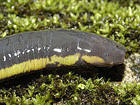
Asiatic tailed caecilians
(Ichthyophiidae) |
|
True toads (Bufonidae)
Members of the toad family are recognizable by
their rough, warty skin (although this feature is not exclusive to toads).
They possess a pair of raised, paratoid glands behind the eye, which
secrete a cocktail of toxins when the toad is stressed, and which makes
them unpalatable or poisonous to most predators. As of 2024, AmphibiaWeb lists 655 species in this family, of which more than 60
occur in Southeast Asia.
Examples :
|
|
|
|
|
|
|
|
|
|
|
Ansonia :
|
 |
|
 |
|
 |
|
|
|
|
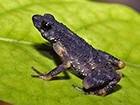
Sukumaran's Slender Toad
Ansonia jeetsukumarani
|
|
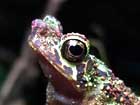
Bornean Rainbow Toad
Ansonia latidisca
|
|
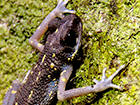
Tioman Slender Toad
Ansonia tiomanica
|
|
|
|
|
|
|
|
|
|
|
|
|
|
|
Duttaphrynus / Ingerophrynus :
|
 |
|
 |
|
 |
|
 |
|
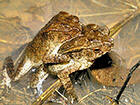 |
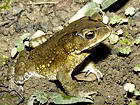
Asian Toad
Duttaphrynus melanostictus
|
|
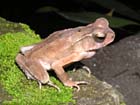
Sulawesi Toad
Ingerophrynus celebensis
|
|
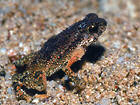
Lesser Toad
Ingerophrynus parvus
|
|
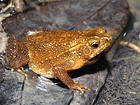
Four-ridged Toad
Ingerophrynus quadriporcatus
|
Unidentified Toad
'Bufo sp.'
|
|
|
|
|
|
|
|
|
|
|
Pelophryne :
|
|
Phrynoidis :
|
|
|
|
|
|
|
 |
|
 |
|
|
|
|
|
|
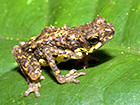
Inger's Dwarf Toadlet
Pelophryne ingeri
|
|
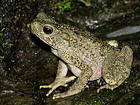
River Toad
Phrynoidis asper
|
|
|
|
|
|
|
|
|
|
|
|
|
|
|
Rentapia :
|
 |
|
 |
|
|
|
|
|
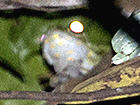
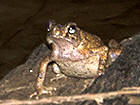
Yellow-spotted Tree Toad
Rentapia flavomaculata |
|
Brown Tree Toad
Rentapia hosii |
|
|
|
|
|
|
| |
|
|
|
|
|
|
|
|
|
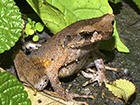
Litter frogs, horned frogs etc. (Megophryidae)
Globally, around 250
species of frog belong to this family, of which more than 100 occur in
Southeast Asia. They tend to inhabit forest floor settings, often
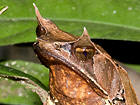
hiding amongst leaf litter. Some possess remarkable camouflage which
mimics dead leaves, the
Malayan Horned Frog Pelobatrachus nasutus being the best example of
this adaptation. Examples:
|
|
|
|
|
|
|
|
|
|
|
Leptobrachium :
|
 |
|
 |
|
 |
|
 |
|
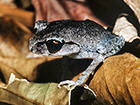 |
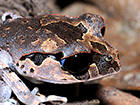
Lowland Litter Frog
Leptobrachium abbotti
|
|
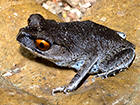
Spotted Litter Frog
Leptobrachium hendricksoni
|
|
Mountain Litter Frog
Leptobrachium montanum
|
|
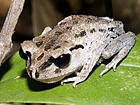
Black-eyed Litter Frog
Leptobrachium nigrops
|
|
Smith's Litter Frog
Leptobrachium smithi
|
|
|
|
|
|
|
|
|
|
|
Leptobrachella :
|
 |
|
 |
|
|
|
|
|
|
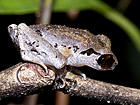
Variable Litter Frog
Leptobrachella heteropus
|
|
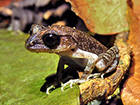
Kajang Slender Litter Frog
Leptobrachella kajangensis
|
|
|
|
|
|
|
|
|
|
|
|
|
|
|
|
Pelobatrachus :
|
|
Grillitschia :
|
|
|
|
|
|
|
 |
|
 |
|
|
|
|
|
|
Malayan Horned Frog
Pelobatrachus nasutus |
|
Long-legged Horned Frog
Grillitschia longipes |
|
|
|
|
|
|
|
|
|
|
|
|
|
|
|
|
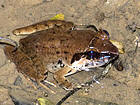
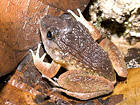
Fanged frogs etc. (Dicroglossidae)
Nearly 250 species of frog in 14 genera
are included in this family. In
Southeast Asia there are more than 100 species, mainly in the genera
Ferjervarya, Limnonectes and Occidozyga. Fanged
frogs (or fork-tongued frogs) are so-called because they possess a notched
tongue and a pair of sharp projections on the lower jaw. Most species are
patterned in various shades of brown. Some species can adapt well to
man-made, highly altered habitats. Examples :
|
|
|
|
|
|
|
|
|
|
|
Fejervarya :
|
|
|
|
|
|
|
|
|
 |
|
 |
|
 |
|
|
|
|
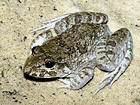
Crab-eating Frog
Fejervarya cancrivora
|
|
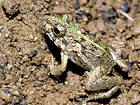
Field Frog
Fejervarya limnocharis
|
|
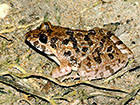
Brackish Frog
Fejervarya moodiei
|
|
|
|
|
|
|
|
|
|
|
|
|
|
|
Limnonectes :
|
|
|
|
|
|
|
|
|
 |
|
 |
|
 |
|
 |
|
|
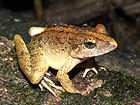
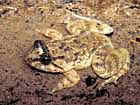
Malayan Giant Frog
Limnonectes blythii
|
|
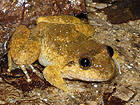
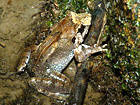
Corrugated Frog
Limnonectes deinodon
|
|
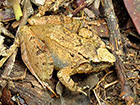
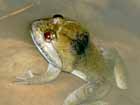
Hill Forest Frog
Limnonectes hascheanus
|
|
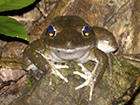
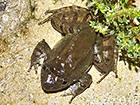
Nusa Tenggara Wart Frog
Limnonectes kadarsani
|
|
Kinabalu
Fanged Frog
Limnonectes mocquardi
|
 |
|
 |
|
 |
|
 |
|
 |
Malesian Frog
Limnonectes malesianus
|
|
Big-mouthed Fanged Frog
Limnonectes megastomias
|
|
Tanahrata
Wart Frog
Limnonectes nitidus
|
|
Masked Swamp Frog
Limnonectes paramacrodon
|
|
Rhinoceros Frog
Limnonectes plicatellus
|
|
|
|
|
|
|
|
|
|
|
Occidozyga :
|
|
|
|
|
|
|
|
|
 |
|
 |
|
|
|
|
|
|
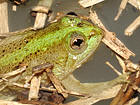
Green Puddle Frog
Occidozyga lima |
|
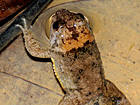
Yellow-bellied Puddle Frog
Occidozyga sumatrana
|
|
|
|
|
|
|
| |
|
|
|
|
|
|
|
|
|
Typical frogs
(Ranidae) With nearly 500
species worldwide, the family Ranidae includes many examples which have a
body shape best described as that of a 'typical' frog i.e. they have a
pointed snout, elongated body and long hind legs which makes them
excellent jumpers. There are more than 150 species in Southeast Asia,
many of which are attractively patterned with spots and stripes and are
various shades of green and brown. Nearly all are stream or swamp-forest
dwellers.
Examples :
|
|
|
|
|
|
|
|
|
|
|
|
|
Amolops :
|
 |
|
 |
|
 |
|
|
|
|
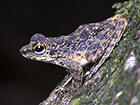
Southern Torrent Frog
Amolops australis
|
|
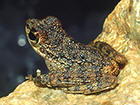
Tuberculated Torrent Frog
Amolops gerutu
|
|
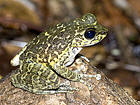
Larut Torrent Frog
Amolops larutensis
|
|
|
|
|
|
|
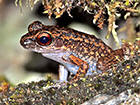
Hylarana (includes Abavorana, Amnirana, Chalcorana,
Humerana, Pulchrana, Sylvirana etc.) :
|
 |
|
 |
|
|
|
|
|
|
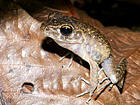
Banjaran Frog
Hylarana banjarana
|
|
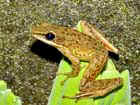
Golden-eared Rough-sided Frog
Hylarana baramica
|
|
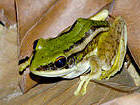
Schlegel's Frog
Hylarana chalconata
|
|
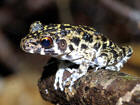
Common Greenback
Hylarana erythraea
|
|
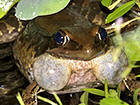
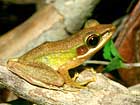
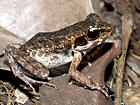
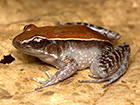
Rough-sided Frog
Hylarana glandulosa
|
|
|
|
|
 |
|
 |
|
|
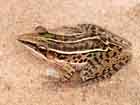
Günther's Frog
Hylarana guentheri
|
|
Copper-cheeked Frog
Hylarana labialis
|
|
Masked Rough-sided Frog
Hylarana laterimaculata
|
|
Mahogany Frog
Hylarana luctuosa
|
|
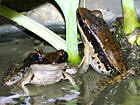
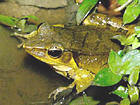
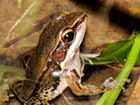
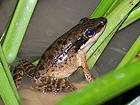
Three-striped Grass Frog
Hylarana macrodactyla
|
|
|
|
|
|
|
|
|
|
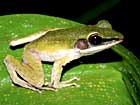
Malayan Black-striped Frog
Hylarana malayana
|
|
Slashed-back Frog
Hylarana miopus
|
|
Mortensen's Frog
Hylarana mortenseni
|
|
Cricket Frog
Hylarana nicobariensis
|
|
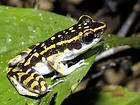
White-lipped Frog
Hylarana raniceps
|
|
|
|
|
|
|
|
|
|
W. Sunda Spotted Stream Frog
Hylarana sundabarat
|
|
|
|
|
|
|
|
|
Odorrana :
|
Staurois :
|
|
Lithobates :
|
|
|
|
|
|
|
|
|
|
|
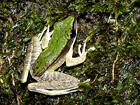
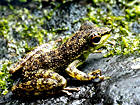
Poisonous Rock Frog
Odorrana hosii
|
|
Black-spotted Rock Frog
Staurois guttatus
|
|
|
|
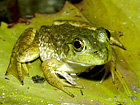
American Bullfrog
Lithobates catesbeiana
|
|
|
| |
|
|
|
|
|
|
|
|
|
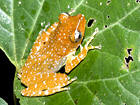
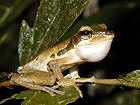
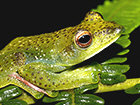
Asian tree frogs (Rhacophoridae)
Around 500 species of frog are included in this family, of which more than 100 occur in
Southeast Asia: these are mainly arboreal tree frogs, many of which lay
their eggs in bubble nests suspended from vegetation. The group includes
numerous species of Philautus, known as bush frogs, but the
most spectacular are the Rhacophorus flying frogs which have
evolved extensive webbing between their toes which allows them to glide
from tree to tree, high up in the canopy.
Examples :
|
|
|
|
|
|
|
|
|
|
|
Feihyla :
|
|
Kurixalus :
|
|
Nyctixalus :
|
|
|
|
|
 |
|
 |
|
 |
|
|
|
|
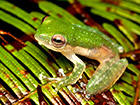
White-eared Tree Frog
Feihyla kajau
|
|
Frilled Tree Frog
Kurixalus chaseni
|
|
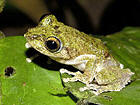
Spotted Tree Frog
Nyctixalus crypticus
|
|
|
|
|
|
|
|
|
|
|
|
Philautus :
|
|
|
|
|
|
|
|
 |
|
 |
|
|
|
|
|
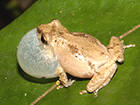
Dwarf Bush Frog
Philautus parvulus
|
|
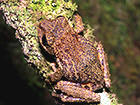
Vermiculate Bush Frog
Philautus vermiculatus
|
|
|
|
|
|
|
|
|
|
|
|
|
|
|
|
Polypedates :
|
|
|
|
|
|
|
|
|
 |
|
 |
|
 |
|
 |
|

|
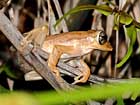
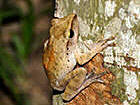
Malayan Slender Tree Frog
Polypedates discantus
|
Four-lined Tree Frog
Polypedates leucomystax
|
Dark-eared Tree Frog
Polypedates macrotis
|
Brown Tree Frog
Polypedates megacephalus
|
File-eared Tree Frog
Polypedates otilophus
|
|
|
|
|
|
|
|
|
|
|
Rhacophorus :
|
|
|
|
|
|
|
|
|
 |
|
 |
|
 |
|
 |
|
 |
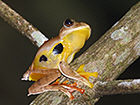
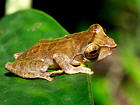
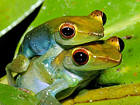
Twin-spotted Flying Frog
Rhacophorus bipunctatus
|
|
Blue-spotted Bush Frog
R. cyanopunctatus
|
|
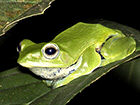
Jade Tree Frog
Rhacophorus dulitensis
|
|
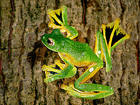
Wallace's Flying Frog
Rhacophorus nigropalmatus
|
|
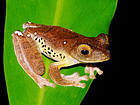
Norhayati's Flying Frog
Rhacophorus norhayatii
|
 |
|
|
|
|
|
|
|
|
Harlequin Flying Frog
Rhacophorus pardalis
|
|
Malayan Flying
Frog
Rhacophorus prominanus
|
|
|
|
|
|
|
|
|
|
|
|
|
|
|
|
Theloderma :
|
|
|
|
|
|
|
|
|
 |
|
|
|
|
|
|
|
|
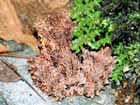
Malayan
Mossy Frog
Theloderma leporosum |
|
|
|
|
|
|
|
|
| |
|
|
|
|
|
|
|
|
|
Narrow-mouthed frogs (Microhylidae)
With nearly
700 species, this is one of the largest of frog families. Within Southeast Asia this family is dominated by tiny, terrestrial frogs
of the genus Microhyla (and Glyphoglossus), which spend much of their lives concealed
in areas of waterlogged grass, or beneath leaf litter. Larger frogs
include members of the genus Kaloula. In eastern Indonesia and New
Guinea this family includes an abundance of species of the genera
Austrochaperina, Callulops, Cophixalus, Hylophorbus,
Oreophryne and others. Examples of these can be viewed in the
New Guinea Frogs pages. Below are some
examples from western parts of Southeast Asia :
|
|
|
|
|
|
|
|
|
|
|
Chaperina :
|
|
Glyphoglossus :
|
|
|
|
|
|
|
 |
|
 |
|
 |
|
|
|
|
Saffron-bellied Frog
Chaperina fusca
|
|
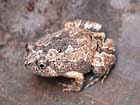
Burmese Squat Frog
Glyphoglossus guttulatus
|
|
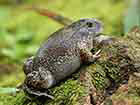
Balloon Frog
Glyphoglossus molossus
|
|
|
|
|
|
|
|
|
|
|
|
|
|
|
Kalophrynus :
|
|
Kaloula :
|
|
|
|
|
|
|
 |
|
 |
|
|
|
|
|
|
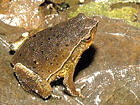
Black-spotted Sticky Frog
Kalophrynus pleurostigma
|
|
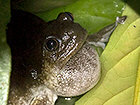
Brown Bullfrog
Kaloula baleata
|
|
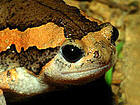
Banded Bullfrog
Kaloula pulchra
|
|
|
|
|
|
|
|
|
|
|
|
|
|
|
Metaphrynella :
|
|
|
|
|
|
|
|
|
 |
|
 |
|
|
|
|
|
|
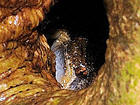
Malayan Treehole Frog
Metaphrynella pollicaris
|
|
Bornean Treehole Frog
Metaphrynella sundana
|
|
|
|
|
|
|
|
|
|
|
|
|
|
Microhyla :
|
|
|
|
|
|
|
|
|
 |
|
 |
|
 |
|
 |
|
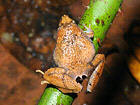 |
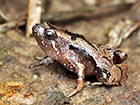
Larut Hills Chorus Frog
Microhyla annectens
|
|
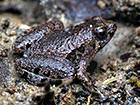
Bornean Chorus Frog
Microhyla borneensis
|
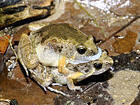
Painted Chorus Frog
Microhyla butleri
|
|
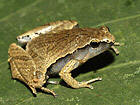
Dark-sided Chorus Frog
Microhyla heymonsi
|
|
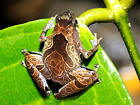
Manthey's Chorus Frog
Microhyla mantheyi
|
 |
|
 |
|
|
|
|
|
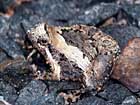
Pothole Chorus Frog
Microhyla petrigena |
|
Beautiful Pygmy Frog
Microhyla pulchra |
|
|
|
|
|
|
|
|
|
|
|
|
|
|
| |
|
|
|
|
|
|
|
|
|