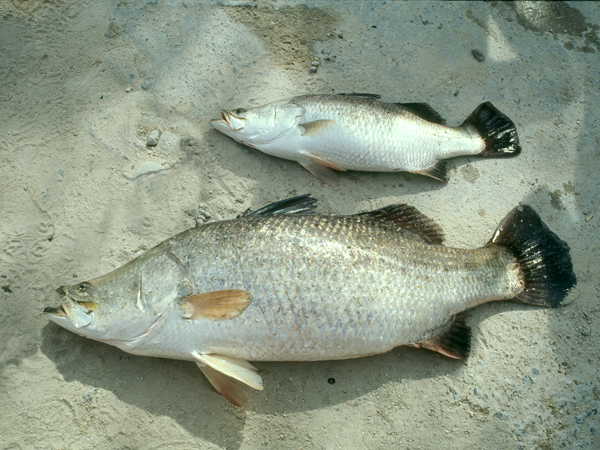
Fig 1
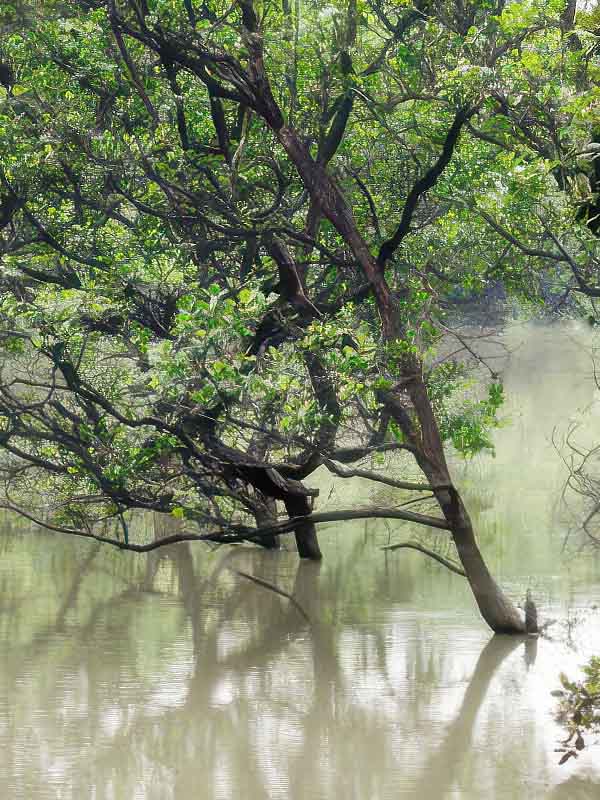
Fig 2
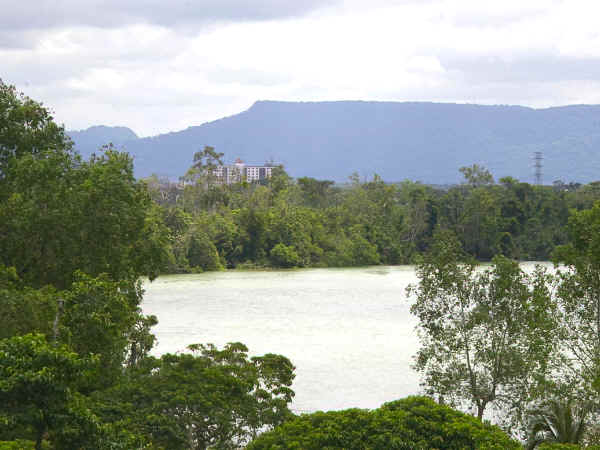
Fig 3
|
Order : Carangiformes
Family : LATIDAE
Species : Lates calcarifer
Maximum Length :
Typically to 120 cm, rarely to ~180 cm
Lates calcarifer
(Barramundi, Asian Sea Bass, Ikan Siakap, Kim Bak Lor, Pla Kapong, Giant Sea
Perch) inhabits coastal waters, mangrove and river inlets with a wide range
of salinities throughout Southeast Asia and neighbouring areas, particularly
northern Australia.
Younger fish tend to inhabit mangrove ecosystems, living amongst tangled
tree roots and fallen branches. Adult fish also prefer cover, but sometimes
occur in deeper water in the middle of mangrove inlets.
This renowned fish species often grows to more than a metre in length in the
wild. It is one of the most highly regarded of table fish in the region,
and is consequently farmed in many countries; around 150,000 tons of
Barramundi are produced annually in the region.
Its body form is elongated and laterally compressed, and its head profile is distinctly
concave. It has a single dorsal fin and a single ventral fin. The tail fin
is rounded.
Barramundi are predatory, feeding on
crustaceans, especially prawns and shrimp, plus molluscs and smaller fish.
This is a catadromous species, which means that it migrates from fresh (or
brackish) habitats down to more saline coastal waters to spawn.
The contemporary, widely used and commercially-oriented name of 'Barramundi' is derived from the
language spoken by the Darumbal aborigines of Queensland, Australia.
Fig 1 : A pair of Barramundi caught by local fisherman using
traditional methods, in mangrove habitat in a tributary of the Johor River,
southern Peninsular Malaysia. The larger of the two measured 98 cm total
length, and probably weighed around 15 kg.
Fig 2 : Typical mangrove habitat, with silty water and submerged roots, where
Barramundi thrive.
Fig 3 : The upper reaches of the tidal section of the Johor River, with the
town of Kota Tinggi in the middle distance and the elevated ridge of Gunung
Panti in the far distance.
Links and references :
Wikipedia
- Barramundi
Fishbase -
Barramundi
|