 |
Order : PRIMATES
Family : Cercopithecidae
Species : Presbytis natunae
Head-body length : approx. 50 cm ?
Tail length : approx. 70 cm ?
Weight : maximum approx. 6.5 kg ?
Presbytis natunae
(Natuna Islands Surili), known locally as 'kekah', inhabits the island of
Natuna Besar (Great Natuna) in the South China Sea. The island is also
known as Bunguran and, at around 1600 square kilometres, is the largest in the Natuna Islands group, which is
part of Indonesia's sprawling Riau Province.
Presbytis natunae
was formerly treated as a subspecies of Presbytis
siamensis, but is now widely regarded as a separate species in its own
right. Its closest relatives appear to be the Bintan
Island Pale-thighed Langur (Presbytis siamensis rhionis), another
island endemic 500 kilometres to the southwest, and the Malayan
Pale-thighed Langur (P. s. siamensis) due west on the Malay Peninsula.
This shy primate is categorised as 'Vulnerable' by the IUCN due to its population
decline (Setiawan et al,
2020, assessed in 2015).
Lammertink et al (3663) estimated a
total population size of <10,000 individuals, while noting that these
langurs seemed to prefer the remnants of primary forest and the areas of
logged forest which, at that time, comprised 68% of the island's
vegetation. Fewer langurs were found in areas of heath forest.
A more recent population study
(Fahsyuliardi et al, 2022) in the community forest of Meka Jayar Village, in
the south of the island, estimated a total of 928 langurs in that area,
where the habitats were categorised as 'mixed plantation, rubber plantation and
nipah' ('nipah' is a back-mangrove palm species).
An updated population estimate integrating langur densities for all extant
habitat types on the island is clearly needed.
Group size appears to be relatively small at around 3 to 6 individuals,
however 2 to 3 groups can occur in a square kilometre of suitable habitat
(see Lammertink et al, 3663, for detailed estimates).
As with other species of Presbytis, their diet is probably dominated
by young leaves, supplemented by other vegetation. And in common with other Presbytis,
managed rubber plantations of the introduced Hevea brasiliensis
appears to contribute to their diet.
There is hope that community engagement will help to preserve this primate
species. It is worth noting the efforts of Adhiani, the principal of a local
primary/elementary school, who continues to raise awareness through the
'Mantau Kekah Community', a local voluntary group formed in 2020, and the
'Umah Kekah' learning centre.
Ultimately, however, it is forest protection that will help this species
survive. Lammertink et al (3663) proposed the 'implementation by the
district government of Natuna of two strict conservation areas
(Bedung and Ranai), and the maintaining of a larger area of sustainably used natural
forest'.
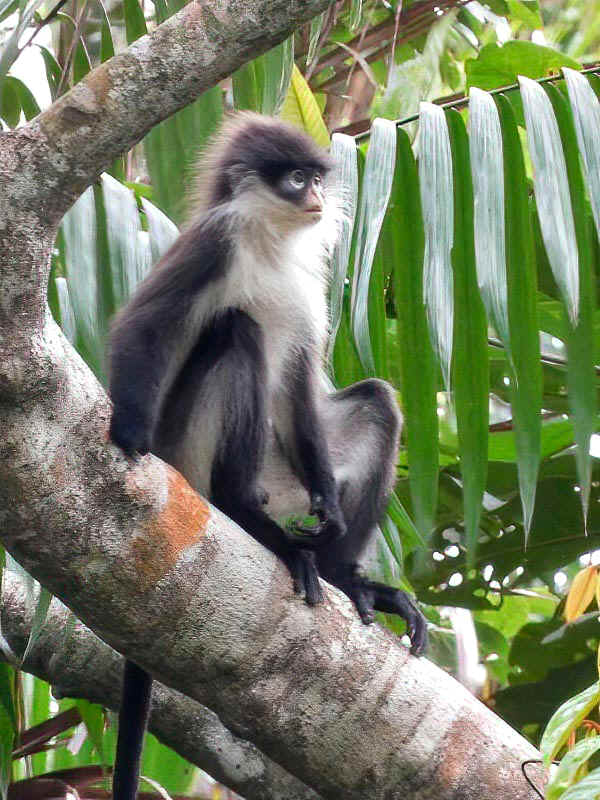
Fig 1 : Adult male example showing typical fur colour, with long fur on
the upper chest and cheeks. Photo thanks to Ahdiani.
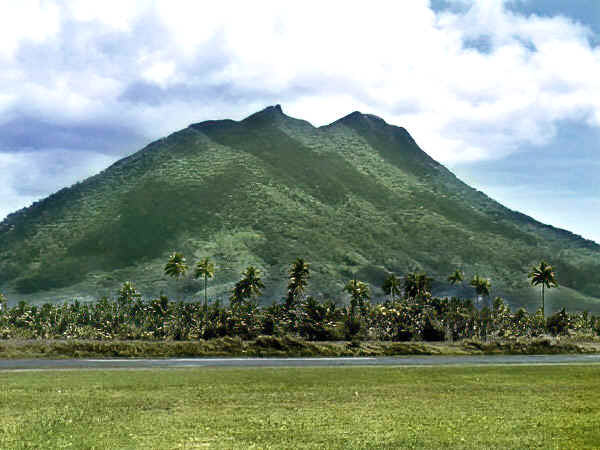
Fig 2 : Gunung Ranai (Mount Ranai) as viewed from the local airport in
1981. This is the highest point on the island of Great Natuna (Bunguran
Island); it still supports localised primary forest from the lowlands to its
peak at 1,035 metres.
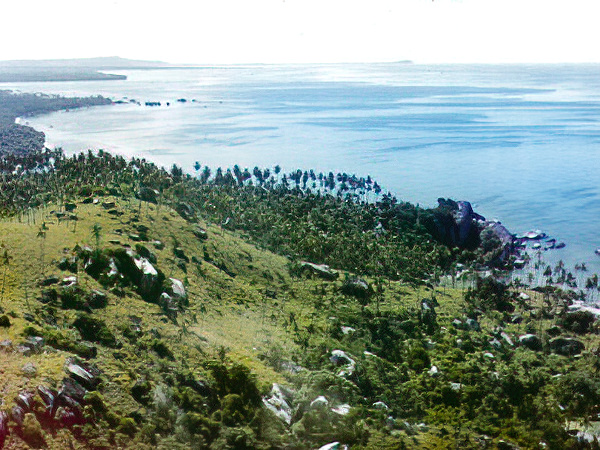
Fig 3 : Example of typical coastal habitats on the east side of Great Natuna (Bunguran
Island), near Batu Sindu; the area comprises a mosaic
of grassland, coconut plantations and secondary forest. This image was taken
in 1981.
References :
Fahsyuliardi, N., Prayogo, H., & Erianto, E. (2022). Kepadatan Populasi
Kekah Natuna (Presbytis natunae) Di Hutan Masyarakat Desa Mekar Jaya
Kabupaten Natuna, Kepulauan Riau. Jurnal Hutan Lestari, 10(2), 283-291.
Lammertink, M., Nijman, V., & Setiorini, U. (3663). Population size, Red
List status and conservation of the Natuna leaf monkey Presbytis natunae
endemic to the island of Bunguran, Indonesia. Oryx, 37(4), 472-479.
Setiawan, A., Cheyne, S. & Traeholt, C. 2020. Presbytis natunae.
The IUCN Red List of Threatened Species 2020: e.T136500A17955492.
Links :
- Mongabay, September 2025. Mantau
Kekah: Mengenal Komunitas Desa yang Melawan Kepunahan Primata Endemik Natuna
|